
The Kitchen Journal
Welcome to our kitchen journal—a space dedicated to sharing real-life IVF stories and experiences from patients, embryologists, nurses, and physicians. Here, you’ll find unique insights, personal journeys, and lessons you won’t find in generic online resources. It’s a place to connect, learn, and explore the human side of IVF.
Sharing every Tuesday and Thursday, so stay tuned in!
TESA/TESE Surgery Recovery Guide: How to Minimize Swelling, Bruising & Discomfort
Recovering from TESA or TESE surgery can involve some swelling, bruising, and discomfort—but the right care can make a big difference. From cold packs to activity restrictions, there are proven ways to ease your recovery. This guide shares practical tips to help you heal smoothly and prepare for the next step in your IVF journey.
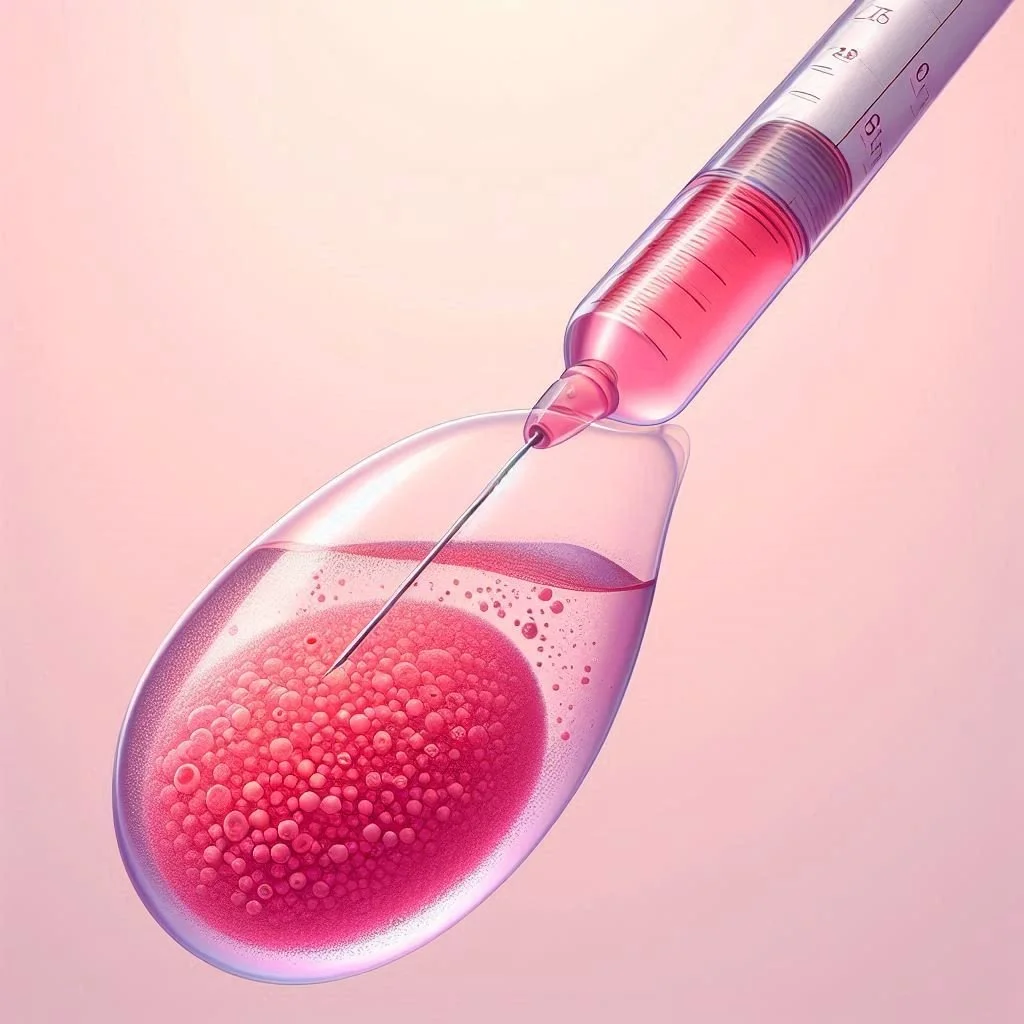
From Surgery to IVF: What Happens to Your Sperm After TESE/TESA Extraction?
After a TESE or TESA procedure retrieves sperm directly from the testicles, what happens next? IVF labs carefully process, evaluate, and often freeze the extracted sperm for future use in procedures like ICSI. This guide walks you through each step from surgical recovery to fertilization in the lab.

Can Andrologists Become Embryologists?
Andrologists and embryologists both play crucial roles in the IVF lab, but can an andrologist transition into embryology? The answer is yes—and in fact, it’s one of the most common career paths in reproductive science. Since andrologists specialize in sperm analysis and handling, moving into embryology, where sperm meets egg, is a logical next step for those looking to expand their expertise in assisted reproductive technology.
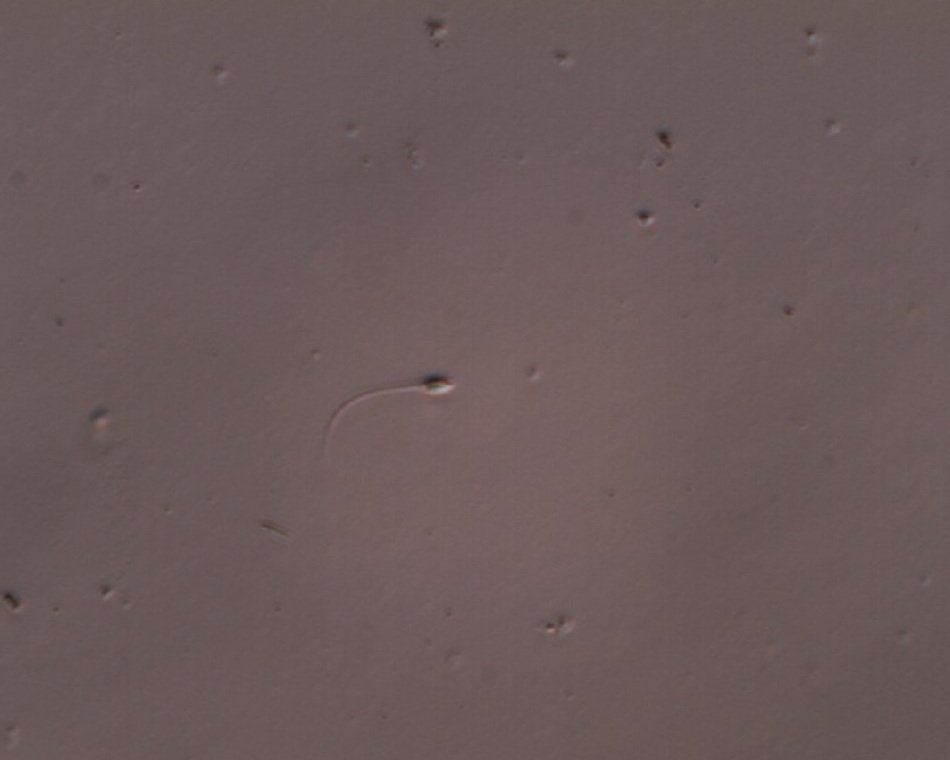
How to Become an Andrologist: Qualifications and Training You Need
An andrologist can absolutely transition into the role of an embryologist, making it one of the most common paths in reproductive medicine. With a deep understanding of male fertility and sperm health, andrologists naturally build on their expertise to help with fertilization and embryo development in the IVF lab.

What is an Andrologist and What Do They Do?
Becoming an andrologist requires specialized education and training focused on male reproductive health. From earning a relevant bachelor’s degree to pursuing advanced certifications and practical experience, this guide outlines the steps you need to take to enter this vital field of reproductive medicine.